


Spring 2026 Winner of the Hope for Humanity Scholarship
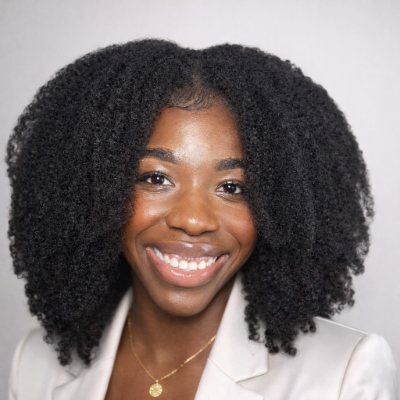
Simisola Adeosun
Simisola is a first-generation law student at CUNY School of Law. She is already dedicating substantial time and energy to her field and community via public service, assisting both refugees and immigrants. The Estevez Group is proud of all that Simisola has already accomplished and we are confident she will go on to make an immense positive impact.
Read Their Essay Here:
My passion for human rights was not born in a classroom but was shaped by it and my lived experience within my community and the life lessons my parents instilled in me. Growing up in Queens, New York to Nigerian immigrant parents, and spending my summers in Lagos, Nigeria, exposed me early on to the stark contrasts in access to opportunity, healthcare, and legal protection. I noted how geography, nationality and background play a role in determining whether someone’s rights are upheld or dismissed. My early observations evolved into my belief that human dignity and rights should be inherent and not dependent on what side of the border you reside.
During routine summer visits to Lagos, I would have a blast with my cousins going to restaurants, arcades, and beaches, completely disregarding the parts of the city that were less affluent. One summer, my father was determined to take my siblings and me to his childhood village of Ilewo, to the primary school he once attended. The children smiled as they listened to their instructor, but all I could focus on were the broken desks, peeling walls, and lack of supplies. Because I was just a child who lacked certain filters, I asked my father, “How can they learn like this?” To this day my dad laughs when he tells this story, but in that moment, it reflected a past reality that was hard to confront.
My parents responded with action and founded The Relume Foundation, which provides educational, medical, and legal relief to underserved communities locally in New York and abroad in places like Nigeria, Ecuador, Guyana, and Jamaica. Through mission trips and outreaches, I gained insight into the socioeconomic, political, and legal systems that shape access to basic rights. At the same time, I began to question the Western narrative that positions itself as the champion of human rights. Human rights are often defined by whoever holds power and controls the conversation. While we may not see genocide on our streets, we see immigrants detained in inhumane conditions, families separated, asylum seekers denied due process, and violated women and children. Human rights atrocities do not have to be dramatic to be real.
In my volunteer and professional work, I have assisted individuals fleeing persecution, gender-based violence, and political instability who needed daily advocacy, compassion, and accountability. Through my internship and future legal career, I intend to continue focusing on immigrant and refugee rights, especially in this political climate where migrants are targeted. Receiving the Hope for Humanity Scholarship would help me achieve my goal of ensuring the Western world holds itself to the same standard of human dignity it expects from others. Human rights are not just crises abroad; they are responsibilities at home, and I intend to uphold this standard.