


What Are Your Rights if Immigration Officers Stop Your Vehicle?
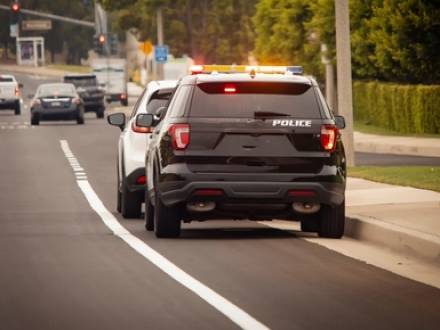 Being stopped by immigration officers is a frightening experience, but you have legal rights regardless of your immigration status. Those rights apply even during an immigration stop. If you or someone you love has been stopped by immigration officers in 2026, or you find yourself worried about what to do if that happens, a Sterling, VA immigration lawyer can help you understand your rights and what steps to take to protect yourself.
Do Immigration Officers Have the Right To Stop Your Vehicle?
Immigration officers, including those from Immigration and Customs Enforcement (ICE) and Customs and Border Protection (CBP), have limited authority to stop vehicles depending on where you are. At the border or a lawful immigration checkpoint, CBP has broad authority to stop vehicles without a warrant. Away from the border, immigration officers generally need the same legal justification that any law enforcement officer would need to stop a vehicle, which means reasonable suspicion that a law has been violated.
If you are stopped far from the border and away from a checkpoint, the stop needs to be based on reasonable suspicion. Simply appearing to be of a certain nationality or speaking a certain language is not a lawful basis for a stop under the Fourth Amendment.
What Are Your Rights During an Immigration Vehicle Stop?
You have important rights during an immigration stop, and knowing them can help you stay protected. These rights apply regardless of your immigration status.
You Have the Right to Remain Silent
Under the Fifth Amendment, you do not have to answer questions about where you were born, how you entered the country, or what your immigration status is. You can politely say that you are exercising your right to remain silent.
You Have the Right to Refuse a Search of Your Vehicle
If an officer asks to search your car, you can clearly and calmly say that you do not consent to the search. If the officer searches anyway, the search may not be considered lawful, and it can be challenged later in court.
You Have the Right to Ask if You Are Free to Go
If you are not under arrest, you have the right to ask whether you are free to leave. If the officer says yes, you can calmly and quietly leave.
You Have the Right to Speak with an Attorney
If you are detained or arrested, you have the right to contact an attorney before answering any questions.
What Should and Shouldn’t You Say During a Stop With Immigration Officers?
Staying calm is one of the most important things you can do during an immigration stop. Do not argue with officers, raise your voice, or physically resist, even if you believe the stop is unlawful. Your safety matters most. Legal challenges can be addressed afterward.
You do not have to answer questions about your immigration status, your country of origin, or how you entered the United States. You can simply say "I am exercising my right to remain silent" or "I would like to speak with an attorney." You do not need to explain yourself further.
Do not show false documents. Providing false documents or making false statements to immigration officers can lead to additional criminal charges on top of any immigration issues.
What Happens if You Are Detained by ICE During a Vehicle Stop?
If immigration officers detain you, do not panic. Being detained is not the same as being deported. You have the right to know why you are being detained. You have the right to contact an attorney. You have the right to contact your country's consulate under the Vienna Convention on Consular Relations if you are not a U.S. citizen.
If you are taken into immigration custody, do not sign any documents without first speaking to an attorney. Some documents, including voluntary departure agreements, can have serious long-term consequences for your ability to return to the United States.
What Are the Rules at Immigration Checkpoints?
CBP operates interior immigration checkpoints on major highways in certain parts of the country. Under 8 U.S.C. § 1357(a)(3), immigration officers have the authority to board and search any vessel, vehicle, or aircraft within a reasonable distance from the border to check for people who entered the country unlawfully, subject to Fourth Amendment limits. Federal regulations define a reasonable distance as within 100 air miles of the border or any external boundary of the United States.
At these checkpoints, all vehicles can be stopped briefly, and officers can ask about citizenship and immigration status. Under the Fourth Amendment, extended detentions at checkpoints require reasonable suspicion of illegal activity. You still have the right to remain silent and the right to refuse a consent search. If officers want to conduct a more thorough search, they generally need a warrant or a recognized legal exception.
Schedule a Free Consultation With Our Fairfax, VA Immigration Lawyer
Being stopped by immigration officers is one of the most stressful experiences a person can go through, and you do not have to face it alone. The Sterling, VA immigration attorney at The Estevez Group, PC is a caring and dedicated advocate who genuinely wants to help people in crisis navigate some of the hardest moments of their lives. Call 703-202-1660 to schedule your free consultation today. We are available 24/7.
Attorney Adriana Estevez is fluent in Spanish and Portuguese.